The Financial Implications of Regular Casino Trips
Frequent visits to casinos often lead to significant financial burdens that many gamblers may overlook. The cost of participation goes beyond the chips placed on the table or the coins dropped into slot machines. Expenses associated with transportation, parking, and dining can quickly accumulate, significantly inflating the overall expenditure of a casino outing. For instance, individuals may not consider the costs of fuel or public transport fares when calculating their gambling budget, especially when playing at a neosurf casino can introduce additional online costs. This oversight can lead to a skewed perception of how much they are truly spending on their gambling habits.
Moreover, those who frequent casinos often fall prey to additional spending driven by the allure of the experience. Many establishments offer charm through high-end dining options, entertainment, and lavish environments, leading patrons to indulge in unnecessary purchases. Dining at a casino restaurant may cost more than a typical meal outside, further increasing the financial strain on regular visitors. In addition, many casinos have promotional events or shows that entice players to spend more, believing they will gain a unique experience in exchange for their money.
It is crucial for frequent casino visitors to weigh their gaming habits against these hidden financial costs. Keeping track of all expenditures related to gambling can reveal surprising insights into their spending patterns. If a person finds that their total expenditure is much higher than anticipated, it could be a sign to reassess their frequency of visits and overall gambling strategy. Understanding these hidden costs can lead to better financial decision-making and help maintain a balanced approach to gaming, allowing individuals to enjoy their time without feeling the weight of financial stress.
The Psychological Effects of Gambling
The impact of frequent casino visits extends beyond mere finances; it often influences one’s psychological well-being. Engaging in regular gambling can create a cycle of thrill-seeking behavior, where the excitement of winning is consistently pursued. This ongoing chase can lead to stress and anxiety, particularly during periods of loss. Gamblers may find themselves caught in a loop where they feel compelled to continue playing in hopes of recouping previous losses, which can contribute to emotional distress. The psychological toll of such behavior can be profound, leading to a range of mental health challenges.
Moreover, the social environment of casinos can amplify feelings of isolation or loneliness despite being surrounded by others. While casinos often tout a lively atmosphere, individuals might experience a sense of disconnection from their companions or family members due to their intense focus on gambling. This disconnect can strain relationships and lead to further psychological challenges, complicating the emotional landscape of frequent gamblers. The paradox of seeking social interaction while feeling isolated can exacerbate feelings of anxiety and depression.

Recognizing these psychological implications is vital for anyone who often visits casinos. Developing a healthy mindset towards gambling includes acknowledging the potential for addiction and understanding the emotional highs and lows associated with gaming. With a proactive approach towards mental health, gamblers can create boundaries that promote enjoyment without falling victim to the risks of compulsive behavior. Engaging in self-reflection and seeking support can foster a healthier relationship with gambling.
The Impact on Personal Relationships
Frequent casino visits can also strain personal relationships, as many gamblers may prioritize their time and resources on gaming rather than on relationships with family and friends. As individuals spend more time at casinos, their loved ones may feel neglected or undervalued. This can lead to tension within the household or close circles, resulting in fractured relationships or even isolation. The perception that gambling is a solitary activity can intensify feelings of abandonment for those left behind. Such dynamics can lead to a rift that is difficult to mend if left unaddressed.
Additionally, financial stress stemming from gambling can further exacerbate relationship issues. Couples may find disagreements arising from spending habits, creating an atmosphere of distrust and resentment. Conversations that once revolved around shared goals may shift toward financial disputes, causing emotional strain. The burden of keeping secrets regarding gambling losses can create a wedge between partners, where one feels the need to conceal their experiences for fear of judgment or disapproval. This secrecy can erode trust and intimacy within the relationship.
To mitigate these impacts, frequent gamblers should prioritize open communication with their loved ones. By discussing their gambling habits and the financial implications involved, individuals can work towards establishing trust and understanding. Collaboratively creating boundaries around gambling can help preserve important relationships while still allowing for enjoyment within a responsible gaming framework. Encouraging family and friends to participate in discussions about gambling can foster a supportive environment that promotes healthier gaming habits.
Potential Health Risks Linked to Gambling
Alongside the financial and emotional costs, frequent casino visits can impact physical health. The sedentary nature of gambling can lead to various health issues, such as obesity or cardiovascular disease, due to extended periods spent in one location. Many gamblers may neglect physical activity or healthy eating in favor of quick snacks or beverages available at the gaming venue, complicating their overall health. Furthermore, irregular sleeping patterns caused by late-night gambling sessions can disrupt a person’s circadian rhythm, leading to long-term fatigue and health complications.
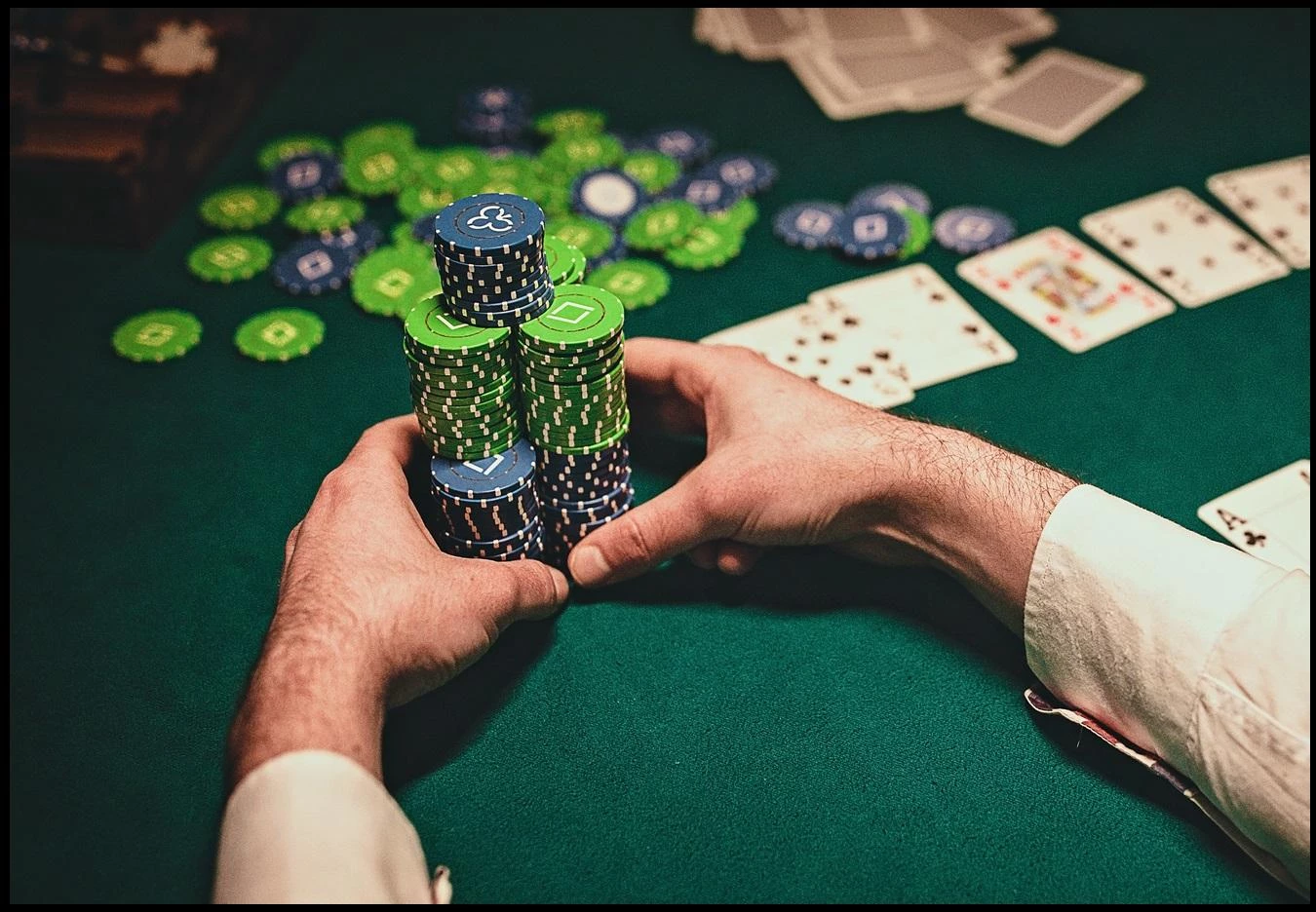
Stress associated with gambling can also manifest physically. The pressures of losing money or the weight of gambling addiction can contribute to heightened anxiety levels, which can, in turn, lead to physical symptoms such as headaches, gastrointestinal issues, or elevated blood pressure. It is critical for frequent casino visitors to recognize the link between their gambling habits and overall health, as the consequences can extend far beyond financial implications. Understanding these health risks can empower individuals to make informed choices about their gaming habits.
By fostering healthier habits, individuals can maintain a balance between their love for gaming and their physical well-being. Incorporating regular physical activity, monitoring dietary choices, and ensuring adequate rest can mitigate many of the health risks linked to frequent casino visits. A holistic approach to gaming not only improves health but can also enhance the overall enjoyment of the casino experience. Those who prioritize their health are likely to find that they can enjoy their time at casinos while minimizing negative impacts on their well-being.
Making Informed Choices for Gamblers
For those who find their casino visits becoming more frequent, understanding the hidden costs involved is essential. Awareness of the financial, psychological, and relational impacts can help individuals make informed decisions regarding their gambling habits. By recognizing these factors, gamblers can develop strategies to enjoy their passion without falling into the pitfalls that often accompany excessive gaming. Creating a budget that accounts for all potential expenses can be a vital step in managing gambling-related costs effectively.
Resources and support systems are available for those looking to strike a better balance. Local organizations often provide guidance and assistance for individuals struggling with gambling-related issues, promoting responsible gaming and mental health support. Gamblers can advantageously leverage these resources to gain insights into managing their behavior and making healthier choices. Seeking help is a sign of strength and can lead to a more fulfilling and enjoyable gambling experience.
Ultimately, creating a healthier gambling experience hinges on developing self-awareness and maintaining a proactive mindset. By being cognizant of their habits and the associated costs, frequent casino visitors can embrace a more sustainable approach that enhances their enjoyment while minimizing risks. Empowering oneself with knowledge and community support is key to achieving a fulfilling gaming experience. Making informed choices can lead to a more balanced life, where gaming remains a source of fun rather than a source of stress.
